Article: Beyond The Label: Organic Skincare and Farming
Beyond The Label: Organic Skincare and Farming
I first came to natural and organic skincare as a consumer, before ever fully understanding what that meant for our skin or how the ingredients were made. I just knew that natural was the opposite of synthetic, and that a lot of toxins were found in synthetic skincare products.
And even better, if the ingredients were organic: the absence of harmful pesticides could only make the products safer.
Since launching Kanobe, I’ve come to appreciate organic ingredients even more but I have also discovered that the farming and bodycare landscapes aren’t so simple. The learnings along the way inspired the Kanobe Harvest Fund, an initiative that aims to promote organic farming and certification.
The benefit of starting small
I started Kanobe at home, just before the pandemic hit. Without the luxury of a compliance team, I’ve had to review every ingredient file for each raw material that is in Kanobe. This is also a part of my aromatherapy training: learning ingredient compounds, their benefits, and powerful actives that can also be allergenic.
The ingredient scanners among you might be familiar with skincare allergens like limonene, linalool, common in citrus fruits, or geraniol, often found in roses.
What you might not know is that these compounds are often the most beneficial parts of a plant: for example, they are what make citrus uplifting when we smell them, or anti-inflammatory on the skin. They just have to be listed as a safety precaution.

While scrutinising ingredient files might seem dry, or daunting – and it was at first – the chemistry of the plant world is incredible. It has also helped me understand exactly why a specific ingredient is useful, and who it works for best.
It also lays bare why organic can be more potent than natural or synthetic ingredients.
Resilient plants for resilient skin
I remember the first time I compared an organic ingredient of a supplier to their natural version: the organic variety had beneficial compounds that were completely absent from the natural one.

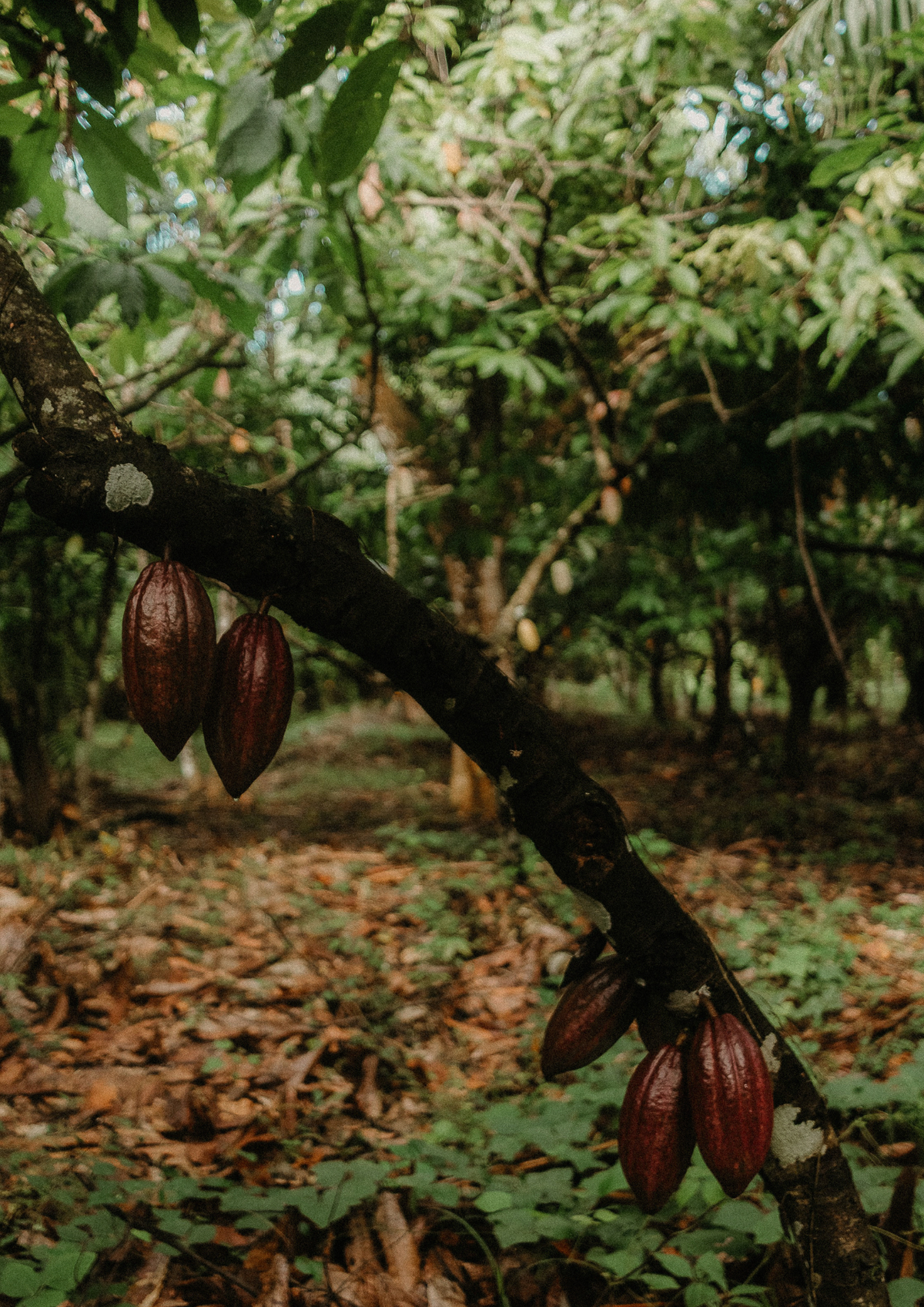
Different harvest seasons or conditions can contribute to this but quite often, organic and wild ingredients are simply more complex than natural equivalents grown with pesticides, or GMO produce. The first interact with more microbes and organisms in their environment, activating defences and compounds that an ingredient grown without pesticides may never have to.
In other instances where the ingredient profiles are similar, organic ingredients will still be cleaner, because they haven’t been exposed to harmful pesticides. Plant oils in particular hold on to agricultural chemicals long after they have been pressed and bottled for bodycare.
Know your farm
Organic isn’t universally a guarantee of a richer ingredient, and a product labelled natural may not have been grown with any harmful chemicals (maybe the farmer cannot afford certification). A synthetic ingredient made in a lab can also be much safer than a natural one laden with pesticides.
That is why farming and agriculture are so important: when a product touches your skin every day, the way its ingredients were grown is part of the ritual, whether or not you can see it.

Beyond skincare, clean produce is also really important for how we eat. Your local farmer's market may have become more of a trend in the last few years, but it is also a great way to speak to the people who grow your food and learn more about how they do it – and why.

Where the label stops
Certifications are another way to understand how something is grown, and over 95% of our ingredients are certified organic. Our other ingredients are natural, with things that that can't be certified because they aren't produce, like water or mineral clays, or innovative ingredients like natural preservatives that have been lightly processed.
When sourcing, I generally look for the COSMOS certification (issued by Ecocert and other certifiers like the Soil Association), EU Organic (the little green leaf), or USDA Organic.
These organisations are great for maintaining standards but I have found that certification, like many things, is really a mixed picture: a real badge of trust to consumers, as well as producers like Kanobe, but also a significant obstacle to farmers and suppliers that make some of the cleanest produce on the planet.
Next Sunday, I'm excited to share more about the Kanobe Harvest Fund: an initiative that I started to help tackle some of the barriers to organic certification.
With care,

Photo credits: (1) Annissa Durar (2) Hilal Diken (3) Marina Zvada