An Ancient Art: Soap Curing
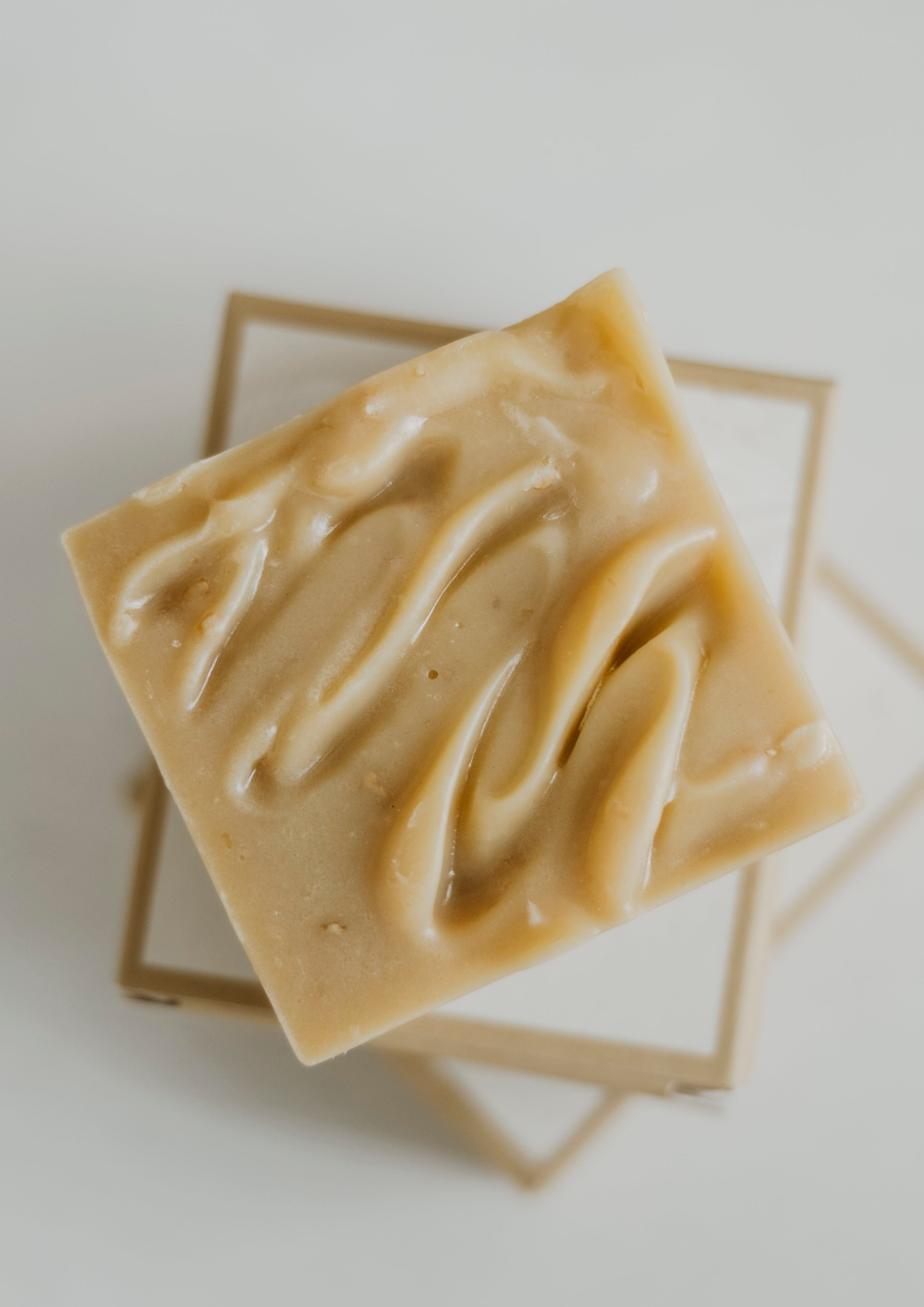
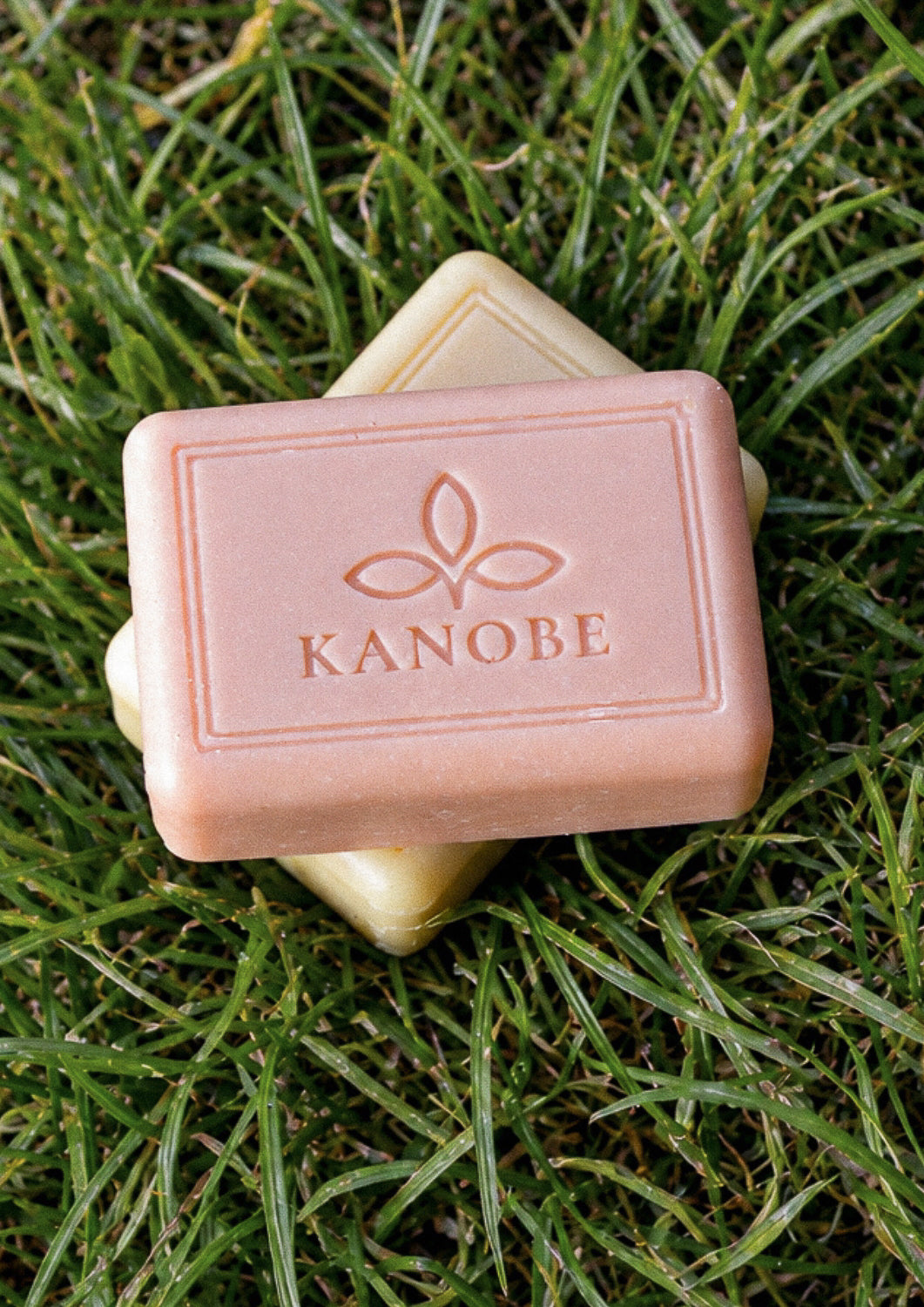
The alchemy of soap-making is one of the most satisfying Kanobe processes I engage in. Soap was the first bodycare that I set out to master, and from the start I have used the ancient cold-process method that requires good timing, proportions, and a lot of patience.
The final outcome is always well worth it.
An age-old craft
Soapmaking is almost timeless: from the famous Aleppo and cold-process Castile soaps, to the hot-process black soaps of Nigeria (Ose Dudu in Yoruba), Ghana and Morocco (Beldi), each black soap unique and traditionally made with gentle, natural lyes by groups of women.
What each of these methods have in common is the magical ‘saponification’ of oils and butters into foaming soaps, maintaining much of the benefits of their rich, natural ingredients.
I started with the cold-process because of my love for nature, pure and ‘undisturbed’. Many natural ingredients are most potent when extracted, and it is the Kanobe philosophy to combine them in ways that best maintain their integrity, and enhance their skin and olfactory effects.

There is also something special about how these soaps can be customised and transformed each time: using different oils for therapeutic effect, scent or appearance, adding a milk base, oats, clay or coffee grains, and then a unique blend of essential oils at the end.
No heat is added, and the transformation from oil into soap happens over a number of weeks, as each bar cures and hardens. Many soaps are only their best at a year old, while others can (or have to be) used sooner.
What remains
Cold-process soap isn’t just richer to use or more romantic to make. It retains high levels of glycerin created in saponification, that is often removed for other uses in mass, lab-produced soaps.
This is something you can experience for yourself: the tight, dry feeling after using a soap that strips your skin, versus artisanal soap that actually leaves skin more moisturised after cleansing.
Sometimes, the old way is simply better.
A piece of heritage
Of all the bodycare products I have researched, soap always seems to hold a special space in the narratives of communities. Maybe it is because of the frequent necessity of cleansing, or the communal way soap has always been made.

I remember watching in-depth news features about Aleppo soap during the Syrian conflict, and of how war and fewer workers were impacting the old Palestinian Nablus soap factory — designated UNESCO World Heritage, in operation since the 17th century.
Where ever we go, there is usually a soap-making tradition intertwined with the history of a place and its people.
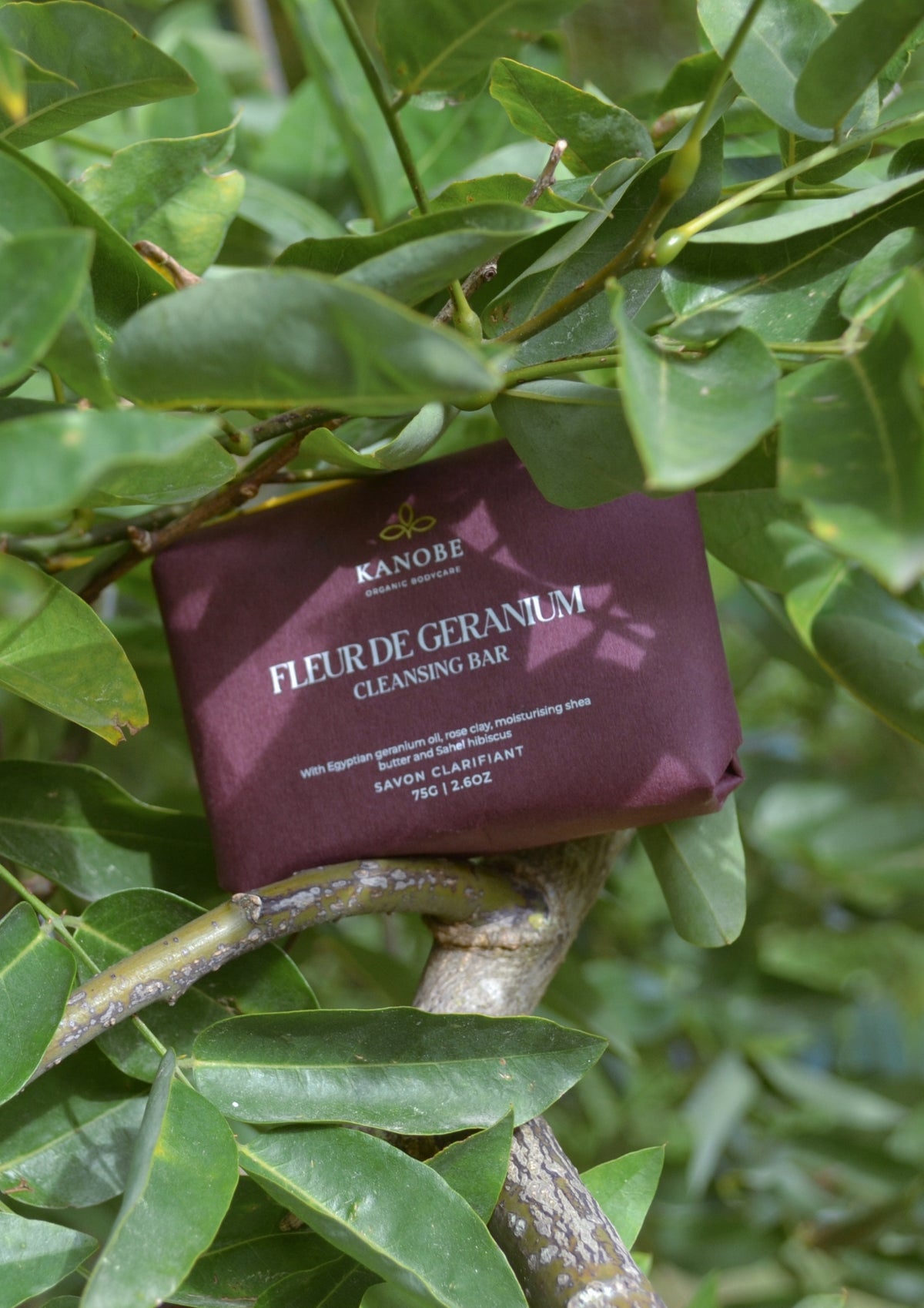
I’m creating ours at Kanobe, and it is certainly difficult choosing which ones should join the collection when the options are endless. Tomorrow, we are launching the Fleur de Geranium soap, a long-awaited one amongst my family and friends.

A shea butter face bar, with bright Egyptian rose geranium, clarifying rose clay, and hibiscus from the Sahel region of Nigeria: it is one of those personal recipes I created as a party favour for my wedding, and the response meant it was only a matter of time before it would become a part of the Kanobe range.
What soaps are special to where you come from? I’d be curious to know.
Until next Sunday.
With care,

Photo credits: (1) Polina Tankilevitch (2) AFP Photos