Argan Oil: A Handmade Treasure From Sous-Massa
In the search for Kanobe's bodycare ingredients, I've come to deeply admire the farmers, businesses and cooperatives making incredible produce across Africa.
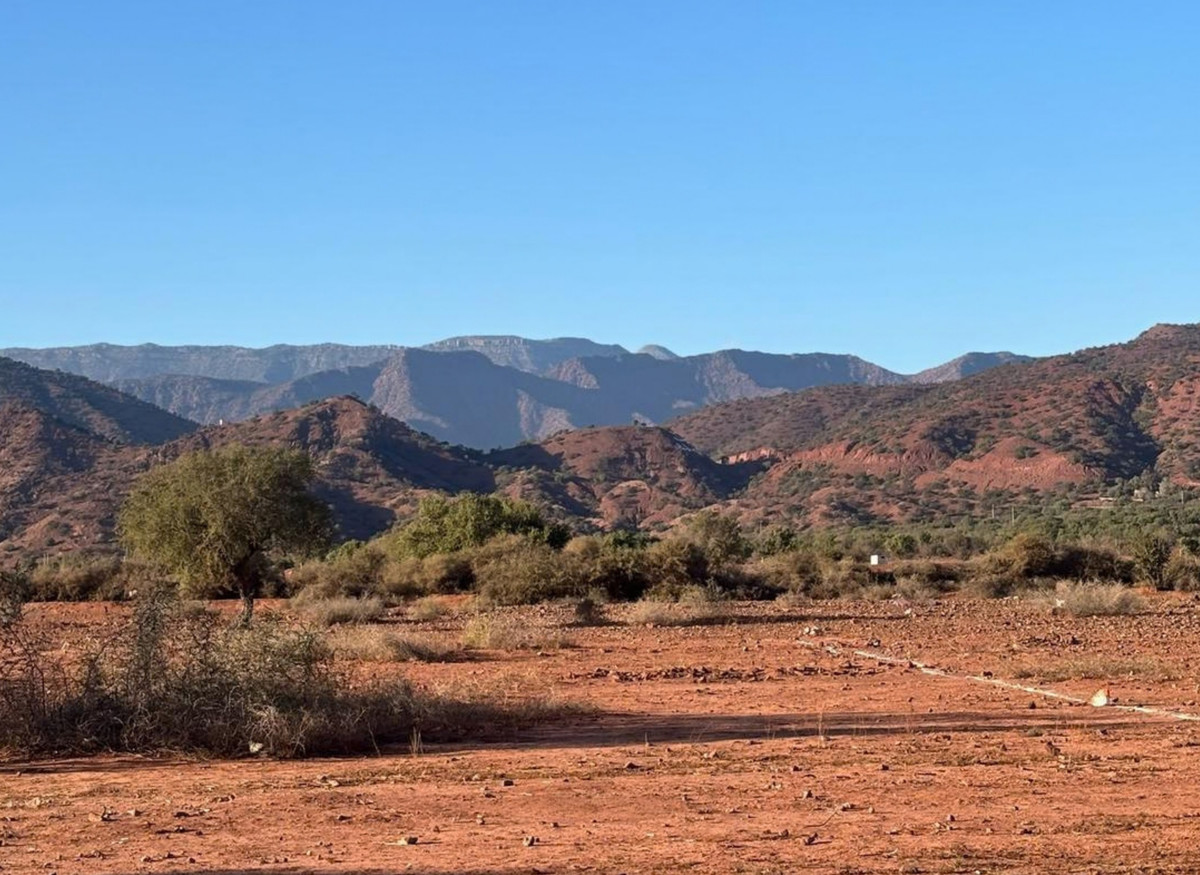
I'm proud to source our organic argan and sweet almond oils from a women's cooperative based in the Souss-Massa region of Morocco. It's simply not that often you find enterprises so focused on quality, community, and preserving traditional practices.

Led by Rachida and her mother, the cooperative produces the most wonderful argan oil — and I've had the pleasure of testing many over the last five years.
After years of argan's popularity in foreign markets, exporters in Morocco have multiplied, making trust, sustainability and traceability even more important.
A timeless ingredient
The cooperative's production methods are a fascinating combination of the new and old, with the women continuing to shell the argan nuts in commune and by hand, before finishing off the extraction in their lab where they make other products like Moroccan amlou (almond paste).
Made from the kernels of the iconic argan tree, fresh argan oil has a unique, nutty scent and is quite unlike any other plant oil. It is surprisingly non-greasy for an oil, yet rich in moisturising fatty acids and antioxidants that really revive dry skin and hair.
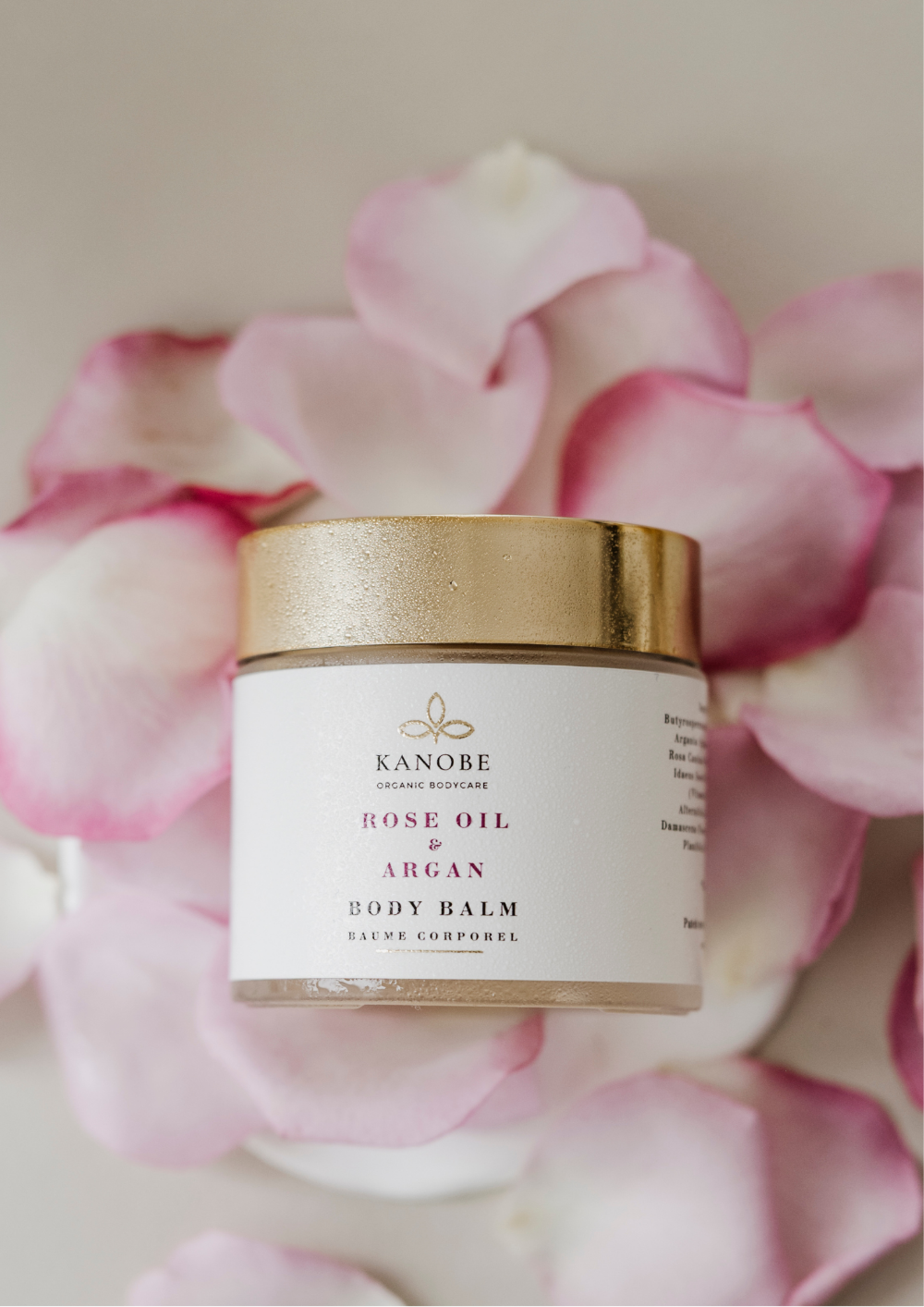
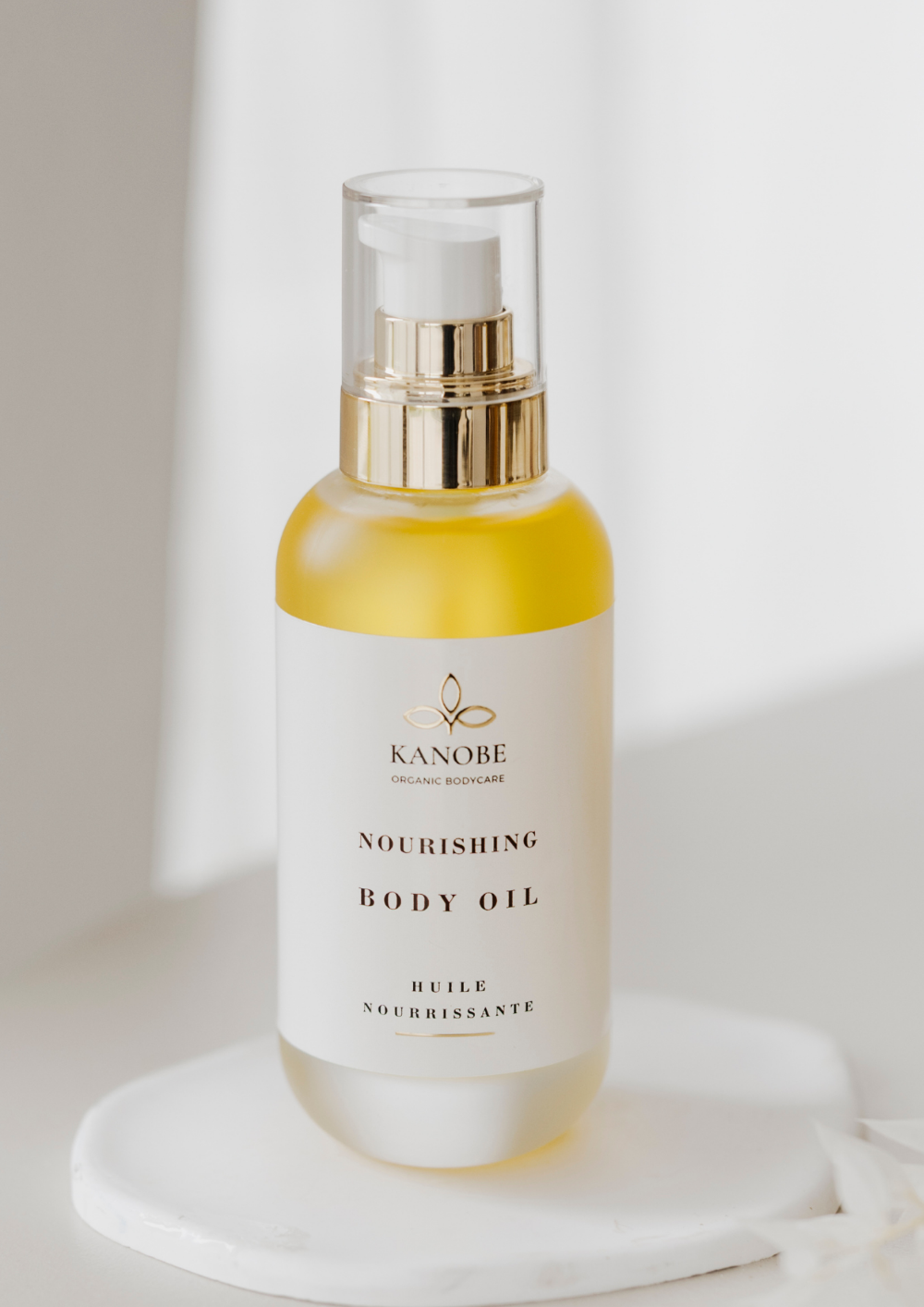
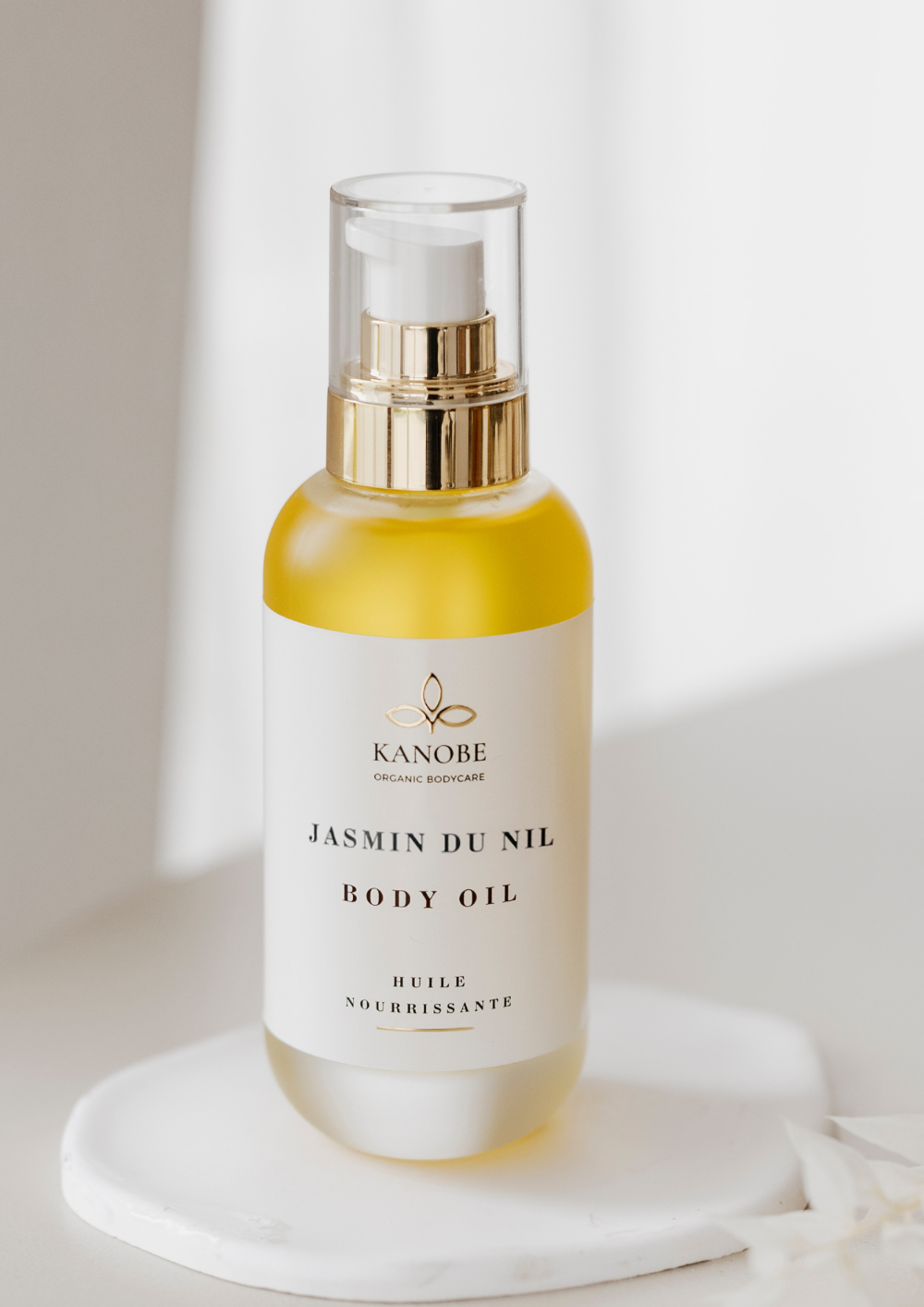
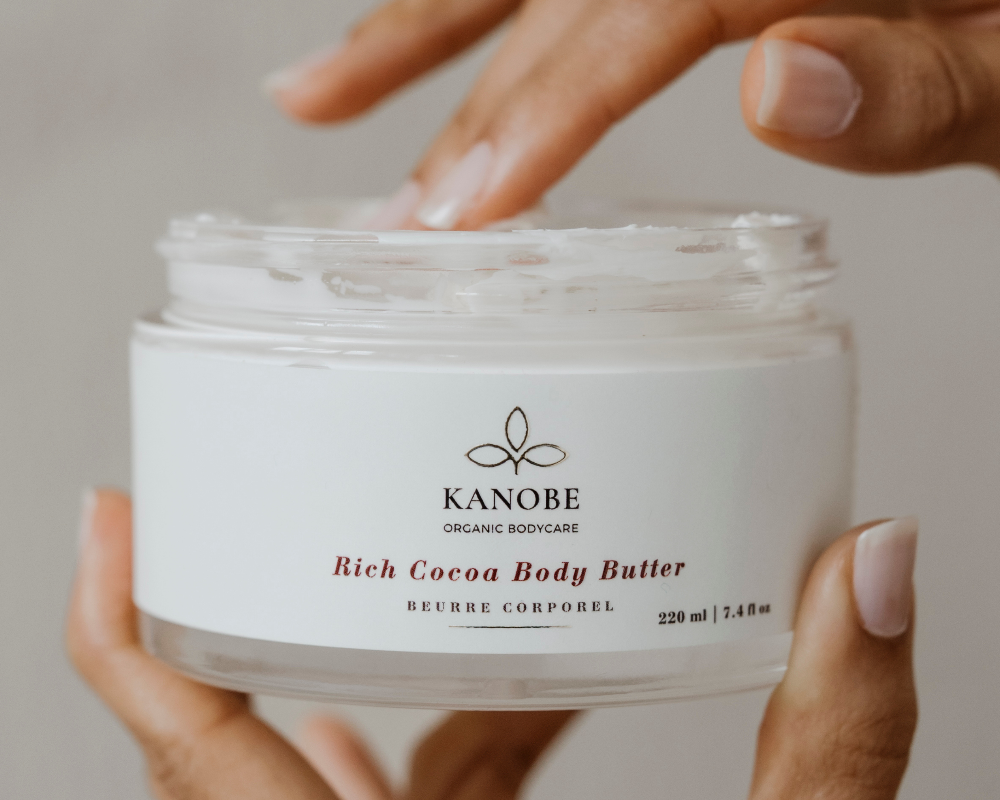
This rare profile contributed to argan's desirability over a decade ago, and argan oil is a cherished ingredient in Kanobe's body oil blends and rose balm.
A tradition under pressure
The cooperative's work isn't without its challenges. It is increasingly difficult for many like them to make greater quantities of argan oil at a time because of large corporates buying up significant amounts of argan nuts. Over-exploitation of the trees is another issue caused by international demand.

Yet, smaller collectives continue to produce argan oil of superior quality: the know how, connection to the land, and care can't help but come through in their work. And cooperatives like those led by individuals like Rachida ensure the tradition of community production continues to thrive in Morocco.
Their way of working — intentional, with joy, and in deep flow — is also a great marker for how I would always like Kanobe to operate.
Until next Sunday.
With care,